Understanding the Harvest: How Lobotina Olive Oil is Made
NB
The Journey Begins: Harvesting the Olives
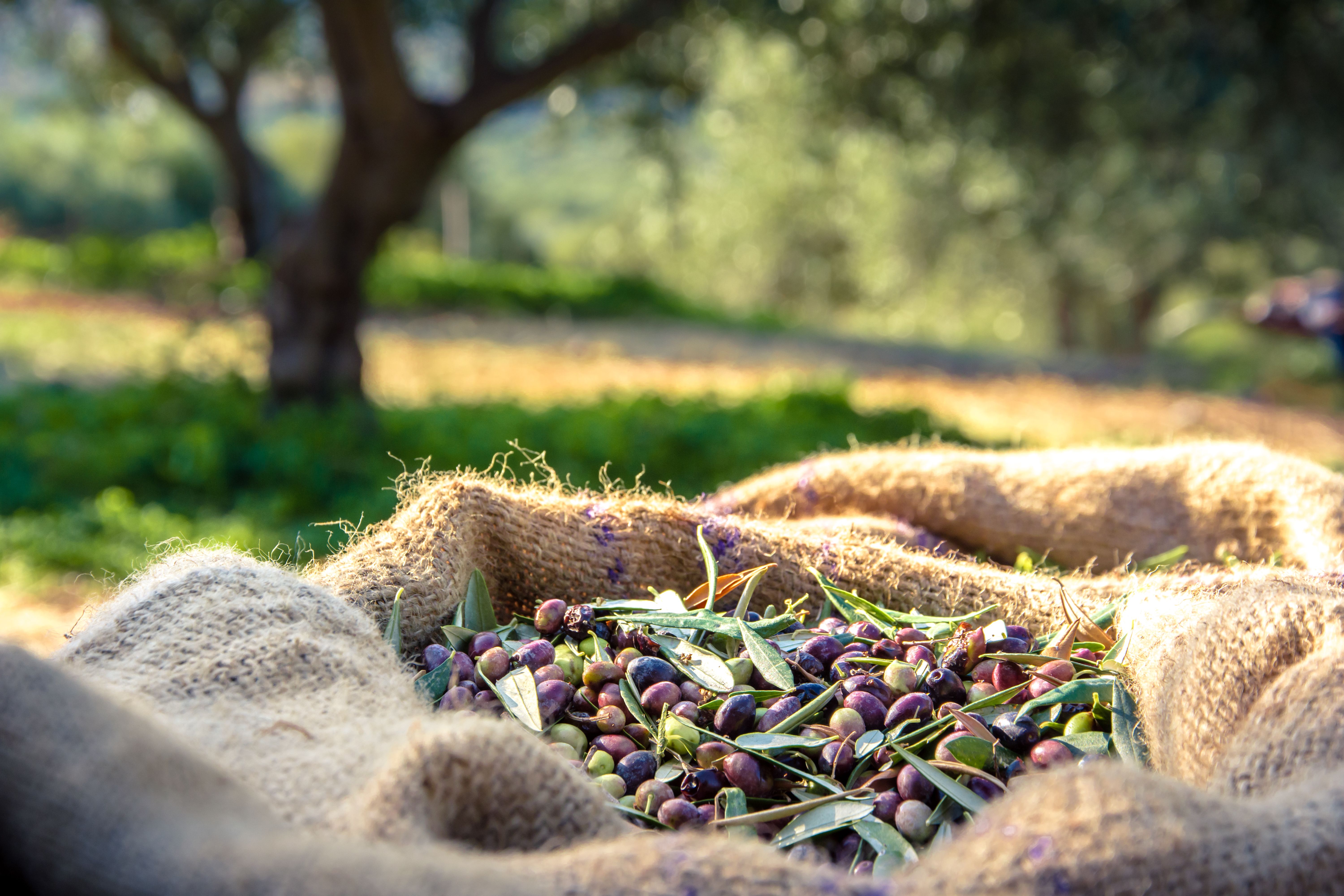
The production of Lobotina Olive Oil starts with the meticulous harvesting of olives. This step is crucial as it sets the foundation for the oil's quality and flavor. Farmers carefully choose the optimal time to harvest, ensuring the olives are at their peak ripeness. This timing can greatly affect the taste, aroma, and nutritional value of the oil.
Harvesting is usually done by hand or with mechanical shakers, depending on the terrain and tree accessibility. Handpicking ensures the fruits are undamaged, preserving their quality for the pressing process.
From Grove to Mill: The Pressing Process
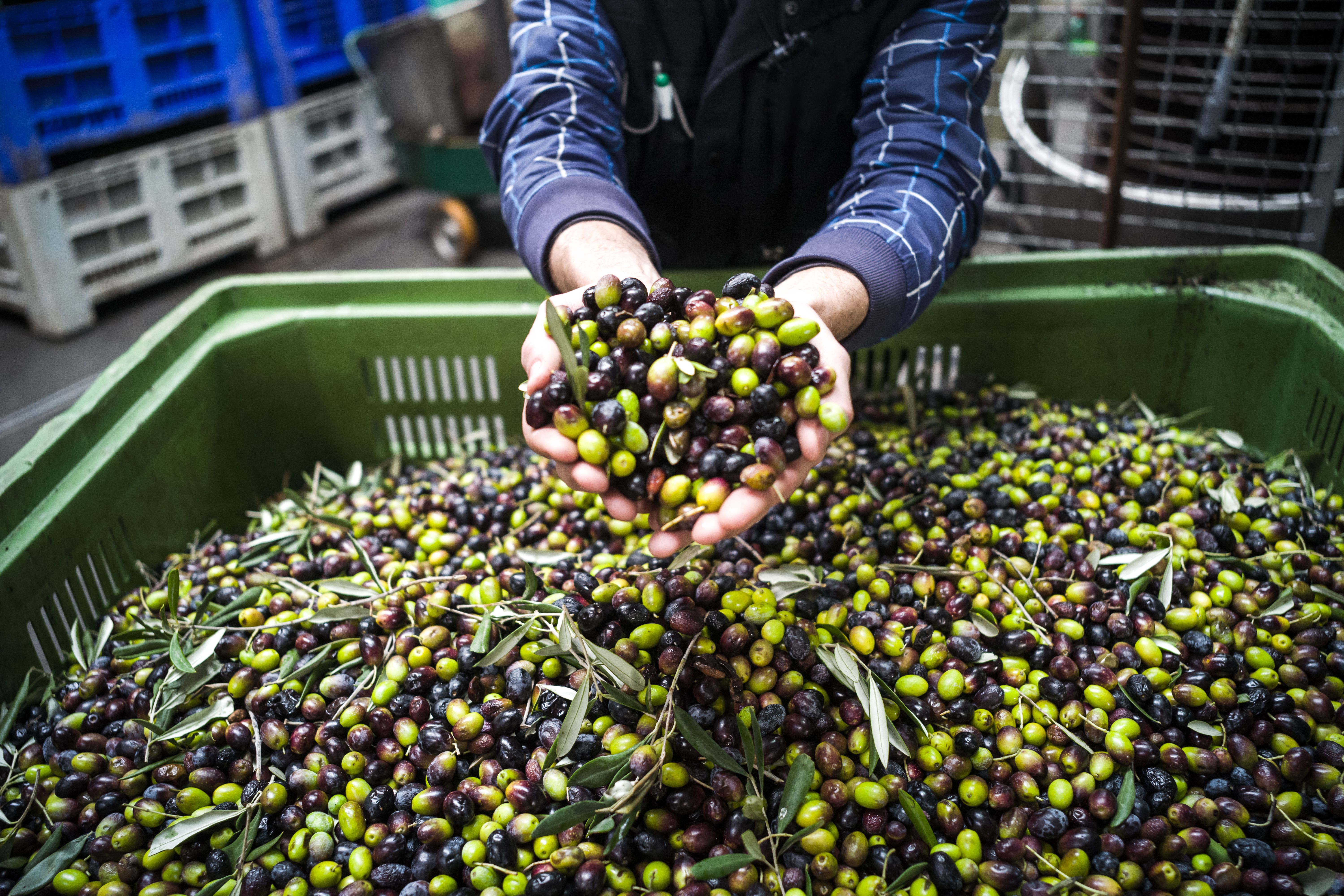
Once harvested, the olives are swiftly transported to the mill to prevent fermentation and deterioration. At the mill, the olives are washed to remove any dirt or impurities, preparing them for the pressing process.
There are two primary methods of extracting olive oil: traditional pressing and modern centrifugation. Lobotina Olive Oil utilizes a cold-press technique to retain the oil's natural flavors and nutrients. This involves crushing the olives into a paste and slowly pressing them to extract the oil without the use of heat.
Ensuring Quality: The Role of Temperature
The temperature during extraction is a key factor in maintaining the oil's quality. Cold pressing involves keeping the temperature below 27°C (80°F), which helps preserve the olive's natural antioxidants and vitamins. This meticulous control over the temperature ensures that Lobotina Olive Oil is both nutritious and flavorful.
The Art of Blending: Creating the Perfect Flavor
Once the oil is extracted, the next step is blending. This stage allows producers to create a consistent flavor profile that defines Lobotina Olive Oil. Expert tasters blend oils from different batches or varieties to achieve the desired taste, aroma, and balance.
This process is akin to an art form, where the subtle nuances of each batch are considered. The goal is to produce a well-rounded and harmonious oil that complements a wide range of culinary applications.
Bottling and Packaging: Preserving Freshness
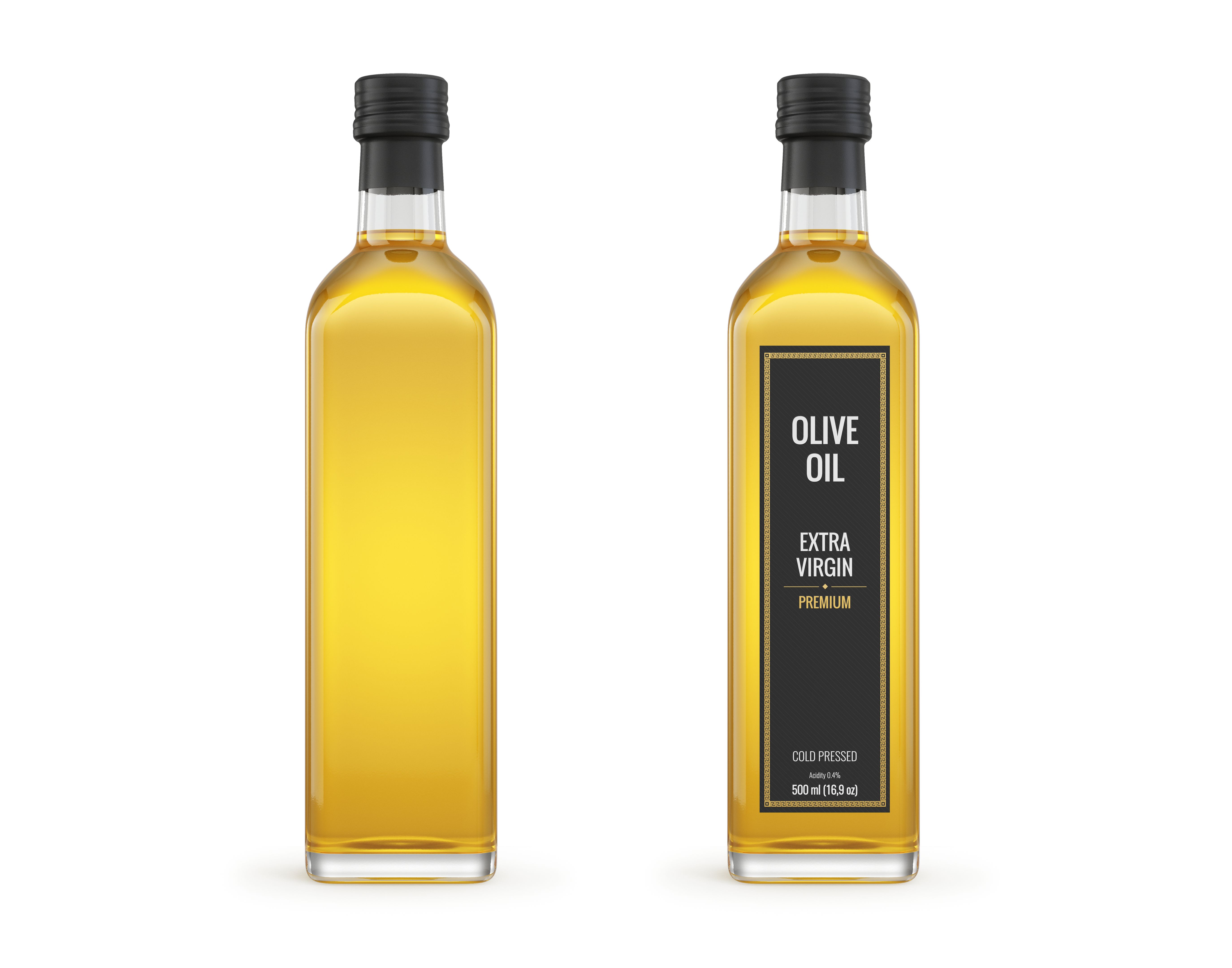
After blending, the oil is filtered to remove any remaining particles, ensuring clarity and stability. It is then bottled and sealed in dark glass or tin containers to protect it from light and air, which can degrade the oil's quality over time.
Attention to detail in packaging helps extend the shelf life of Lobotina Olive Oil and ensures that customers enjoy the freshest product possible.
An Invitation to Experience
Understanding the intricate process behind Lobotina Olive Oil production offers a deeper appreciation for this exquisite product. From the careful harvesting of olives to the artful blending and meticulous packaging, every step is designed to deliver a high-quality oil.
Whether you’re a culinary enthusiast or simply someone who appreciates fine foods, exploring Lobotina Olive Oil is an invitation to experience a rich tradition and a commitment to excellence.