Myths vs. Facts: Understanding Organic Olive Oil
NB
Introduction to Organic Olive Oil
Organic olive oil has become a staple in kitchens around the world, celebrated for its flavor and health benefits. However, there's still a lot of confusion surrounding what makes olive oil truly "organic" and what benefits it offers. In this post, we'll debunk some common myths and present the facts about organic olive oil.
Myth: All Olive Oils Are the Same
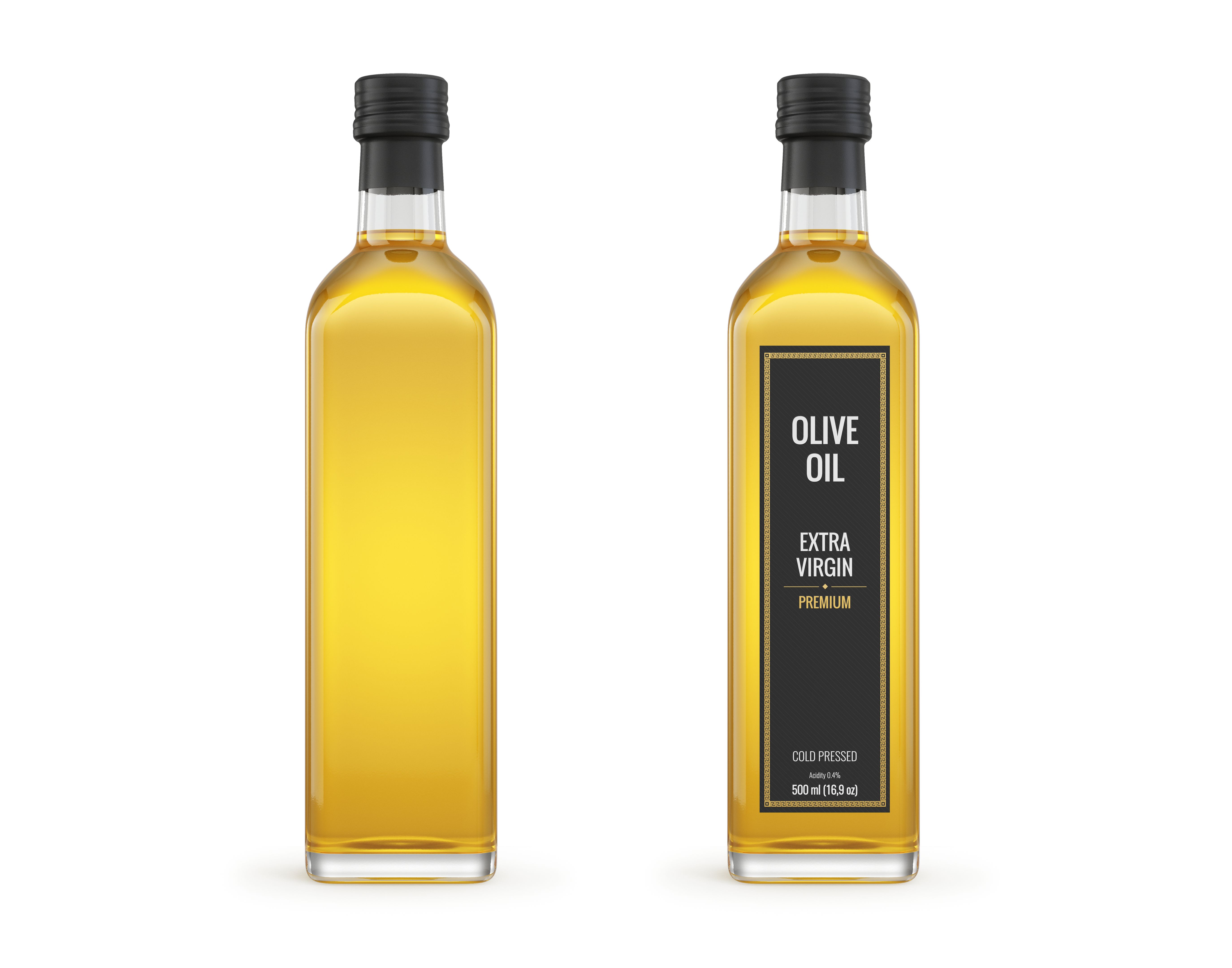
One of the biggest misconceptions is that all olive oils are the same. This is far from true. Organic olive oil is produced without synthetic fertilizers, pesticides, or genetically modified organisms. These practices not only benefit the environment but also enhance the flavor profile of the oil.
Fact: Organic Standards Matter
Organic olive oil must meet strict standards set by certifying bodies. These standards ensure that the olives are grown in an environmentally friendly manner and that no harmful chemicals are used during the production process. As a result, organic olive oil often contains higher levels of antioxidants and polyphenols.

Myth: Organic Olive Oil Is Too Expensive
It's often believed that organic olive oil is prohibitively expensive. While it's true that it can be pricier than conventional oils, the cost reflects the care and quality involved in its production. Investing in organic olive oil can be seen as an investment in your health and the environment.
Fact: Cost-Effective in the Long Run
When you consider the health benefits and the flavor enhancement that organic olive oil provides, it can actually be cost-effective. Its rich taste means you often need less to achieve the desired flavor in your dishes, potentially saving you money over time.
Myth: Organic Olive Oil Has a Shorter Shelf Life
Another common myth is that organic olive oil doesn’t last as long as non-organic varieties. In reality, the shelf life of olive oil depends more on storage conditions than whether it’s organic or not.
Fact: Proper Storage Is Key
To extend the shelf life of any olive oil, store it in a cool, dark place, away from heat and light. An airtight container can also help preserve its freshness and nutritional quality. By following these guidelines, you can enjoy the benefits of organic olive oil for a longer period.
Myth: Organic Olive Oil Is Only for Gourmet Cooking
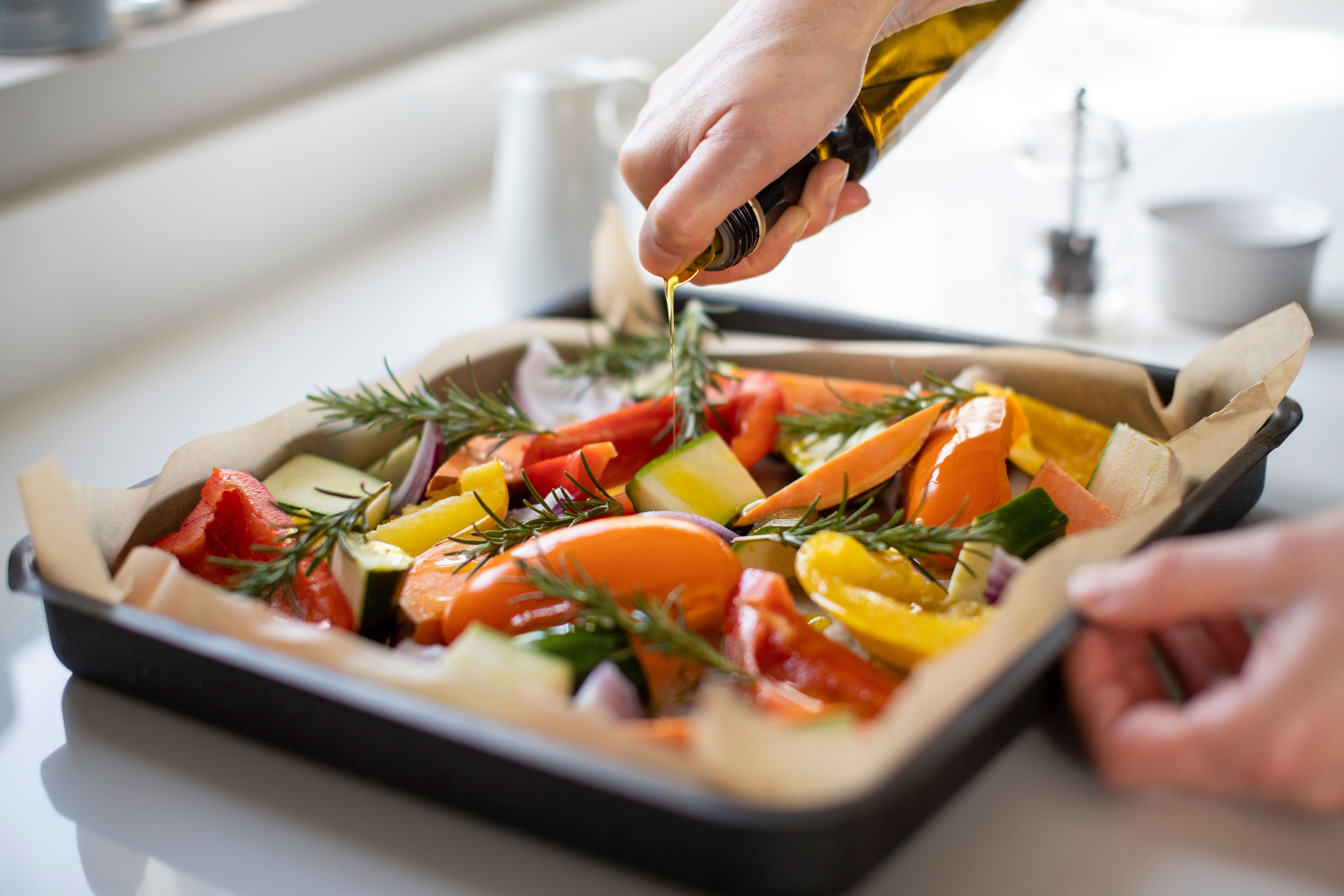
Some people think that organic olive oil is only suitable for gourmet cooking or special occasions. This myth couldn’t be further from the truth. Organic olive oil is versatile and can be used in everyday cooking, from salad dressings to sautéing vegetables.
Fact: Everyday Use Enhances Health
Incorporating organic olive oil into your daily diet can boost heart health, reduce inflammation, and provide essential nutrients. Its versatility and health benefits make it a valuable addition to any meal, whether simple or sophisticated.