Comparing Premium Olive Oils: What to Look For
NB
Understanding the Basics of Olive Oil
Olive oil is a staple in many kitchens, known for its rich flavors and health benefits. However, not all olive oils are created equal. When venturing into the world of premium olive oils, it's crucial to understand what sets them apart. Knowing what to look for can make all the difference in selecting the perfect bottle for your culinary needs.
Premium olive oils are often distinguished by their production methods, flavor profiles, and origin. These aspects contribute significantly to their quality and price. Let's dive into these factors to help you make an informed choice.
Production Methods
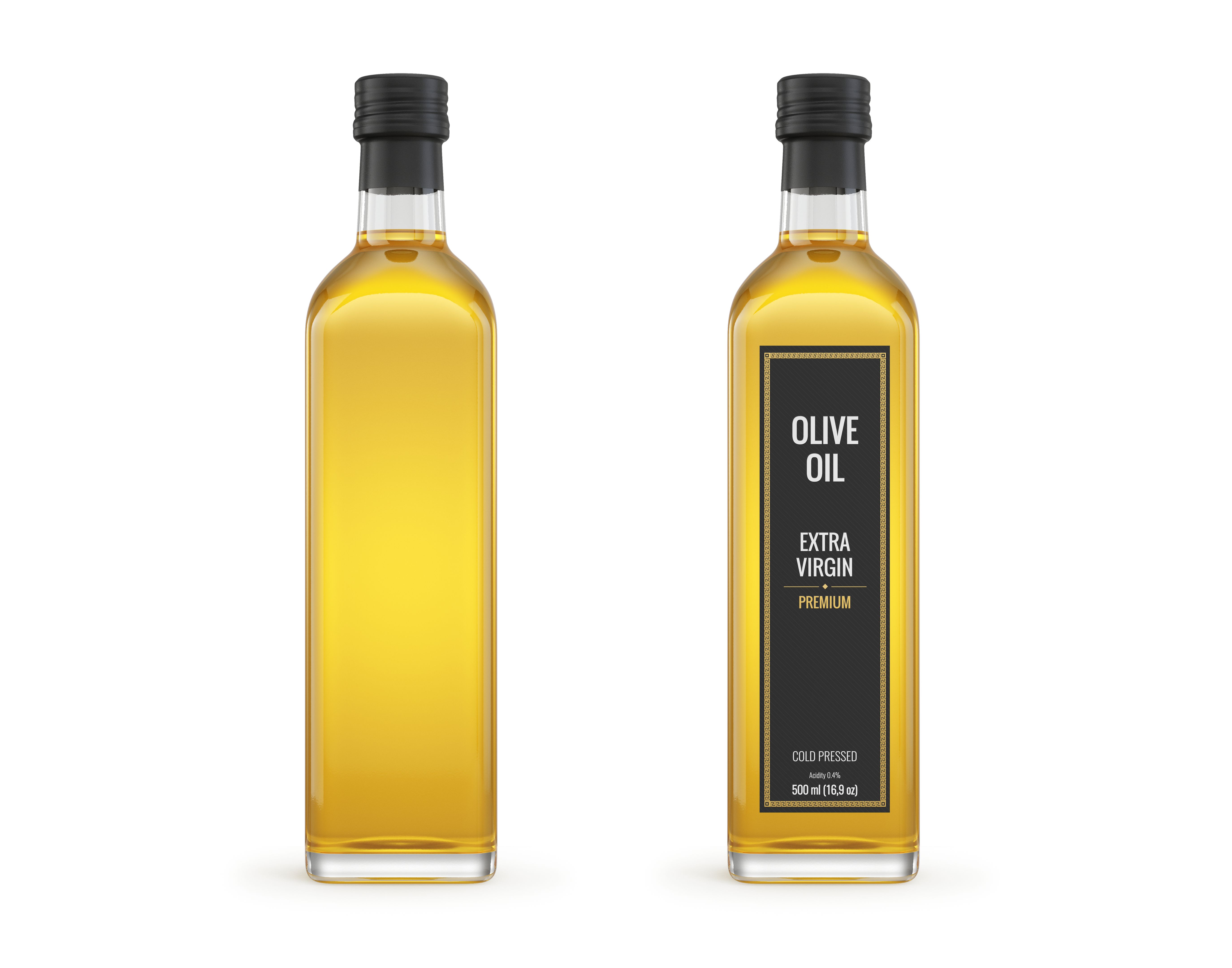
Cold Pressing
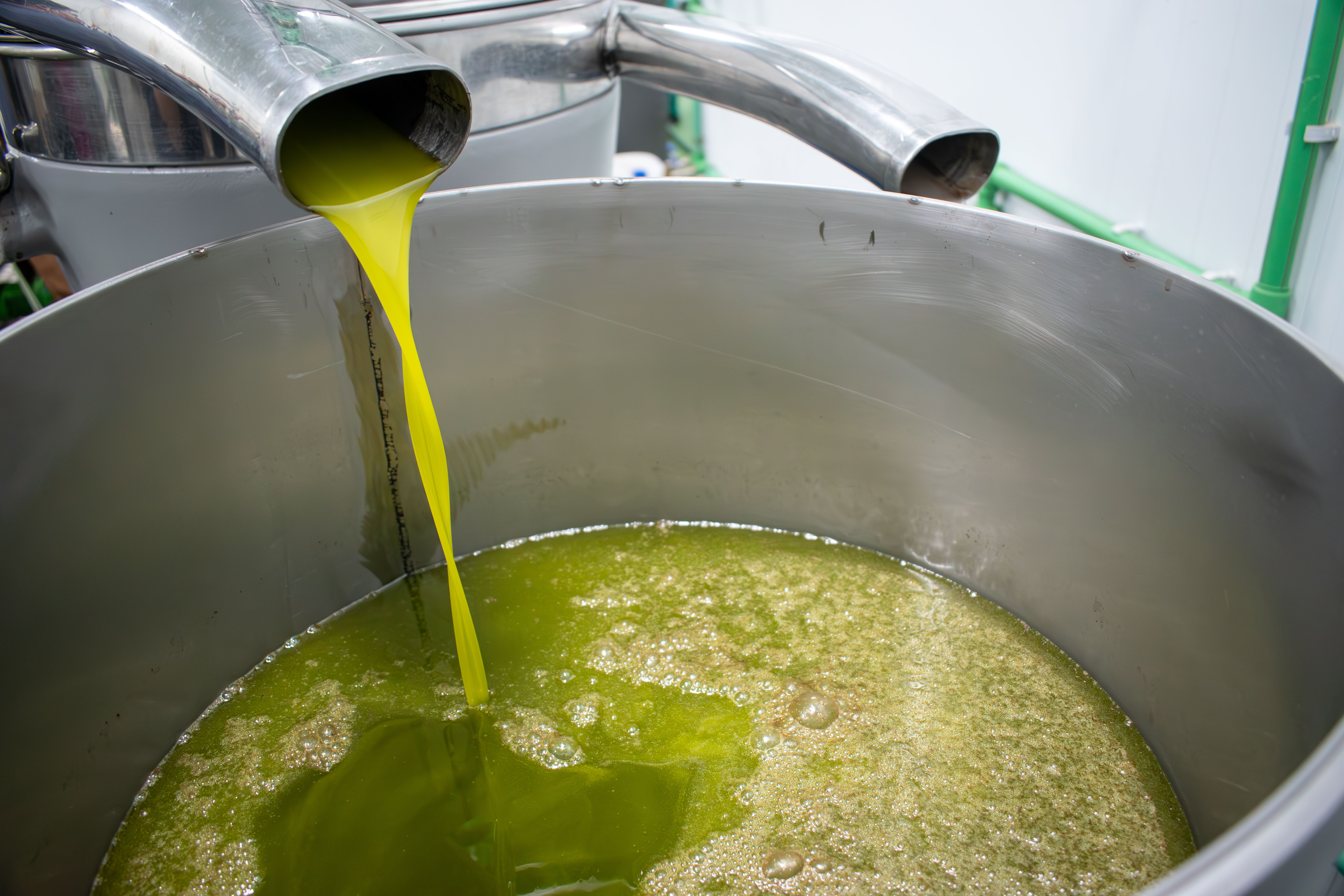
The method of extraction plays a vital role in the quality of olive oil. Cold pressing is a preferred method for premium oils, as it helps preserve the natural flavors and nutrients. This technique involves extracting oil at a temperature below 27°C, ensuring a higher quality product.
Organic Certification
For those conscious about the environment and health, organic certification is a key consideration. Organic olive oils are produced without synthetic fertilizers or pesticides, making them a healthier and more sustainable choice.
Flavor Profiles
Fruity, Bitter, and Pungent Notes
Premium olive oils are celebrated for their unique flavor profiles. The most common notes include fruity, bitter, and pungent. A balanced combination often indicates a high-quality oil. When tasting, look for harmonious flavors that enhance rather than overpower your dishes.
Single Estate vs. Blends
Another consideration is whether the olive oil is a single estate product or a blend. Single estate oils come from a specific region or farm, offering distinctive taste characteristics. Blends, on the other hand, combine oils from different areas to achieve a consistent flavor.
Origin and Harvest Date
Geographical Indications
The origin of olive oil can greatly influence its taste and quality. Regions like Italy, Spain, and Greece are renowned for their exceptional olive oils, often labeled with geographical indications. These labels assure consumers of the oil's origin and authenticity.
Harvest Date
The harvest date is another crucial factor to consider. Fresher oils tend to have more vibrant flavors and higher nutritional value. Always check the bottle for this date to ensure you’re purchasing a fresh product.
Final Considerations
When comparing premium olive oils, it's essential to consider your personal preferences and cooking needs. Whether you’re drizzling it over a salad or using it in a marinade, the right olive oil can elevate your culinary creations.
Remember to store your olive oil properly, in a cool, dark place, to maintain its quality. By keeping these factors in mind, you'll be well-equipped to choose the perfect premium olive oil for your kitchen.